Friday, 17 June 2016

Arranging a Loan or Mortgage for your Mobile Home

This was posted by Rob

mobile home loans for habitatBuying a mobile home can be achieved with a loan or mortgage the same as a conventional loan with some differences due to the fact that a mobile home is able to be moved and is therefore not as secure of a loan for a lender.

Good credit and or collateral may still be a requirement for these loans
which are not usually classified as “prime”.

Types of loans:

  • Home Only.
  • Home in park.
  • Land Only.
  • Home and land.

Home Only loans on private land

This is where the homeowner owns the land or is buying the land on a mortgage and wishes to buy a mobile home on a loan to be placed on the land.

Home only in Park Loan or Mortgage

This is where the prospective borrower does not own the land but wishes
to buy a mobile home on a loan to be installed in a registered mobile
home park. The buyer will pay a mortgage to the lender and pay lot rent
to the park.

Land only loans and Mortgages

This type of deal is where the borrower owns a mobile home and wants
to buy a peice of private land on which to set the home.

Home and Land Deals

In this deal the lender finances both the land and the home in a package
deal where the loan is usually held by one loan company. Often this is
seen as a more secure loan for the lender to make.

Loan and Mortgage considerations for Manufactured Homes

The lenders in this industry tend to specialize in these types of loans and
are used to dealing with the special circumstances that can arise. Each of
the above loans carry different levels of risk and exposure or the lender
and some firms will not be comfortable lending in some circumstances.

Originally posted 2014-12-25 00:47:47.

The post Arranging a Loan or Mortgage for your Mobile Home appeared first on Level My Mobile Home.


source http://levelmymobilehome.com/arranging-a-loan-or-mortgage-for-your-mobile-home/

Thursday, 16 June 2016

Electrical and Air Conditioning (HVAC) Connections.

This was posted by Rob

Power Considerations need Attention Early in the Construction Process

A/c and electrical installationWhen you are in the process of buying your home it is a really good idea to have some prior knowledge of the electrical service supply available on your land or inside the registered mobile home park.

Many older mobile home parks have 75/100/150 amp services which are not adequate for the expected loads in a modern manufactured house.

Mobile homes being made now are a far cry from the trailers made in 1950 and 1960 where the amenities were very basic and essential, just enough to get by and be reasonably comfortable:

Small stove perhaps a window ac unit and no clothes dryer.

How ever the new mobile homes are set up exactly like a conventionally constructed house and home owners expect all of the modern conveniences to be available if not already fitted.

The main loads are:

  • Water heater
  • Dish washer
  • Tumble dryer
  • Cooker/stove
  • Washing Machine
  • Air conditioning

Other extra  load comes from:

  • Computers
  • Phones
  • Printers
  • Fax Machines
  • Modems
  • High Definition Television
  • High Power Sound Systems

Your mobile home licensed contractor should be able to advise you on the available power supply well before you purchase the home from the dealer or direct from the factory.

New mobile homes are usually rated for a 200amp service supply to the internal breaker and there is a potential danger of overloading present if they are not connected to a adequate supply.

This means that either the supply needs to be upgraded or the load inside of the home reduced. If this is not possible then some of the appliances will need to run on modern propane or gas supply in your area. These decisions need to be made prior to ordering your home so that changes can b e made inside the factory before the building process has started.

When Will My Home Be Connected?

Once the mobile home is blocked/anchored it needs to pass the initial “tie down” inspection.

Then at this point the home will be to be connected to an electrical supply and air conditioner unit.

Connecting the Electrical Supply to the Local Utility Company

If the home is in a park the electrical service is usually via a 100amp / 150amp service box feeding a meter. However if the home on vacant land the electrical contractor will need to install a service pole which in turn will be connected to a transformer by the local utility company.
The supply size is usually 200 amps on new houses which will have a larger power demand due to larger a/c units, ovens and tumble dryers.
The lines from the service pole to the home are buried into a trench and the homeowner will be responsible for these charges.

Mobile Home AC unit and HVAC installation Considerations.

The AC on most mobile homes is fed from the outside of the home by flexible duct work. These self contained units are usually brought to the site by the HVAC contractor. Some newer homes do have a split system with just the condenser outside and the main unit installed by the factory inside the manufactured home. Split systems are usually easier and cheaper to install.

Electrical and AC Permits for your Home

It is the responsibility of the electrical and HVAC sub contractors to ensure that their work is performed to according to local and state code.
The subcontractor permits will be issued to the installation contractor as part of the set up permit. Most setup contractors will work with the same subs on a regular basis

Moving into your New Manufacture Home

It is essential for the dealer or set up contractor to arrange these services in a timely manner to prevent unnecessary delays in the overall project. The homeowner may not move into the home until everything is completed and a certificate of occupancy issued by the governing local building department.

When Will I be Able to Move In?

Once all of the construction has been completed and the permit department has carried out their inspections a certificate of occupancy is usually issued to the home owner this will among other things authorize the power company to make the final connection to the mobile home.
Moving into our home could be the same day.


Originally posted 2014-12-25 00:06:53.

The post Electrical and Air Conditioning (HVAC) Connections. appeared first on Level My Mobile Home.


source http://levelmymobilehome.com/electrical-and-air-conditioning-hvac-connections/

Wednesday, 15 June 2016

Installing Sewer Systems | Septic Tank and Drainfield

This was posted by Rob

Waste disposal considerations.

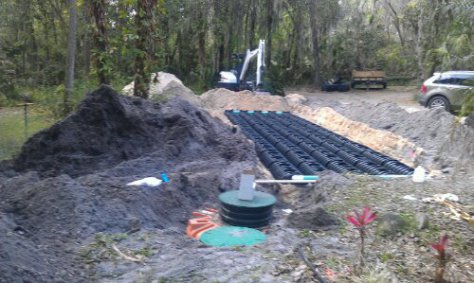
Problems with Drainfield and septic tankIn my experience and opinion if there is going to be a hold up in the installation process it is most likely to be with environmental health.

The homeowner may think that it is possible to install their new mobile home in 2-4 weeks onto vacant land but the process in some areas can be quite lengthy.
In most cases local authorities will not issue an installation permit until they receive clearance from the governing health authority and in some cases this can take months.

The actual waste disposal considerations for mobile home are basically the same issues that face contractors building conventional site built homes. However there are special circumstances which apply to mobile homes placed on private land.

In the state of Florida the Department of Environmental Health and not the building department at the  local government offices that has authority over the relevant codes and statutes.

Sewer Systems in Cities, Counties or Registered Mobile Home Parks.

If a piece of land or old Park lot has access to the conventional sewer system then the connection is a fairly simple process that can be carried out by the mobile home installer. The plumbing permit is pulled as part of the installation permit.

The pipes under the home are connected together then they are suspended from the home by galvanized or plastic straps. After passing through a clean out the pipe is connected to the existing system.
The contractor will ensure the necessary drop on the pipe is to code.

New Septic Tank and Drainfield System.

When dealing with vacant land which has not been lived on previously it is essential to start the health department process as soon as possible to prevent unwanted delays. The health department will do a perk test to determine the flood level and a sewer system permit will be issued to the septic tank contractor who will then install the tank and drainfield.

Sometimes the drainfield will be high and above the ground, the health department will give the actual height of the field and cover dimensions.

In this situation some residents elect to use a sump pump to mechanically raise the water to the correct septic tank height. Doing this will give the correct drop to the pipe system without the need to raise the home above normal levels.

Existing  Septic Tank and Drainfield.

When an old mobile home is currently sited on land with a septic tank and drainfield system it is said to be “grandfathered in” which means that even if the system is not up to current code it is ok. It can remain in use so long as nothing is changed.

However, if the old house is removed the department of environmental health reserves the right to inspect the system prior to issuing a new building permit and can insist upon a new tank, new or bigger drainfield or both.

The department may also demand an increase in tank size and an extension of the drain field if the old house is replaced by a new home which has more bedrooms. In other words more people in the home equates to more of a load on the existing system.

These added costs which can be substantial can be a big shock to the new homeowner if they have not been previously discussed by the contractor, in fact an estimate of these costs should be included in any estimate or contract signed by the parties.

Obviously the extra money will need to come from the homeowner but without adequate communication this can be a tricky situation.

Originally posted 2014-12-24 23:50:13.

The post Installing Sewer Systems | Septic Tank and Drainfield appeared first on Level My Mobile Home.


source http://levelmymobilehome.com/installing-sewer-systems-septic-tank-and-drainfield/

Tuesday, 14 June 2016

Homes with raised roof structures

This was posted by Rob

Roofing for mobile homes.

Most mobile homes have a distinct look to them but…

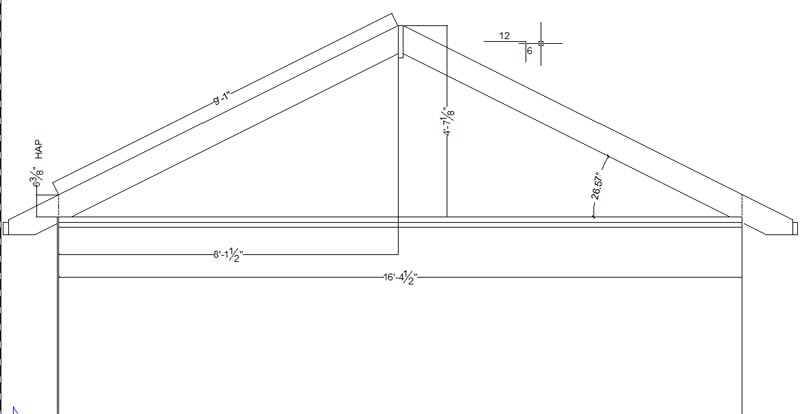
Over the past 10 years “raised roofs” have helped a great deal to improve the overall visual image of a mobile home. These “hinged roof” structures have the look and pitch of a more “conventional” house.

6:12 roof pitch

Doublewide Mobile Homes with a Raised Roof

The roofs are still made in the MH factory as usual but are constructed in such a way that the roof structure folds on a hinge system during  transportation. The height of the roof was a major factor which prevented mobile homes with conventional roof pitches being moved under power lines and bridges. The hinged roofing systems get around these limitations.

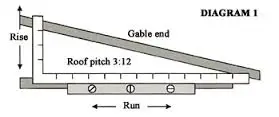
The older style homes usually had a 2:12 or 3:12 pitch which gave them their characteristic low look. The new homes can have a 6:12 or higher pitch.

3:12 roof pitch

Mobile Home Construction and Hinged Roof Structures

Other considerations to take into account are the increased cost and extra time needed with these roofs. Not only are they more expensive to make but they do cost a lot more to install and often require the use of a crane.

The contractor will have to install and fix a hinged support structure inside the roof. He will also build the gable ends and install the fascia and soffit on site.

Manufactured Home Roofing – Roof Construction

Both mobile/manufactured homes and modular homes are available with a raised roof system.

Originally posted 2014-12-23 23:43:04.

The post Homes with raised roof structures appeared first on Level My Mobile Home.


source http://levelmymobilehome.com/homes-with-raised-roof-structures/

Monday, 13 June 2016

Breaking Down a Mobile Home | Moving.

This was posted by Rob

toter pulling a mobile home to a new locationBreaking down a mobile home means that the home is taken apart at the roof, end walls and floor prior to moving the sections to a new location.

Assuming that the homeowner has previously removed all of  their furniture, personal belongings to a safe location.

The breakdown process usually takes a whole day and around 5 people to do the job safely having the home ready for transport during daylight.

How Much will it Cost to Move My Mobile Home?

I can only answer this question for my own area which is central Florida , but here the main costs will include:

  • Set up crew for one day (4-5 men).
  • Skirting removal.
  • Anchor removal.
  • Polythene wrap and furring strips.
  • Axle and tire rental. (slips)
  • Hitches.
  • Utility Disconnect.
  • Site clean up and dumpster if needed.
  • Transporting the materials to the new site.

Extra cost which are not included or may be incurred:

  • Cost of the Toter transport and escorts.
  • Welding Hitches.
  • Taking down and replacing fences and gates.
  • Attachments (sheds,Garages etc)
  • Tree trimming or removal.
  • Building ramps or bridges.
  • Concrete removal and disposal.
  • Use of a bull dozer.
  • Raised Roof houses.
  • Multi level structures

 What will the Moving Crew do on Day One?

The process involves the setup crew arriving at the site removing the skirting around the house to allow easy access. At this point the electrical service, plumbing pipe and AC connections are removed from under the home.

The anchor straps are carefully disconnected or cut to leave enough room for future use so long as the straps meet the present 15-c installation code.

Inside the home the close up trim its carefully removed for future use and the carpet is cut and tacked back from the centerline if it is going to be reused. The trim is labelled and usually transported inside the home.

The crossover electrical wires and plumbing pipes are all disconnected and removed in such a way that they have the best chance of being able to be reinstalled at the new location.

If the home has lap siding on the ends this needs to be removed and each piece numbered for future use. Usually the contractor will wrap up the pieces and place them inside the home for transportation.

Before the home can be split apart the whe wheels and axles need to be installed. Sometimes they are still under the mobile home but usually the crew will bring a set of adjustable axles called “slips” and all of the essential nuts, bolts and hanging gear.

If the hitches were removed and left under the home they may be good enough to reuse. If in good condition the hitches are bolted back into their original location. Usually with older  houses a new set of  hitches will be welded onto the frame if
the old ones all rusty and unusable.

Now the shingle on the peak of the roof can be taken off and the flashing removed. The lag bolts are  removed
from the roof, the end walls and the floor. Some homes will also be spiked in the floor with 8 inch nails which will need to be cut with a reciprocating saw.

This is usually a good time to remove the side wall anchors from the ground. The anchor heads are sharp and can easily burst the tires when the home is pulled of the construction site.

Chains and come-alongs are attached to the I beams of the home so that the home can now be raised up on jacks with rollers then gently rolled apart whilst still maintaining tight control. The set up crew will need the home sections to be at least 4 feet apart for working space.

All base pads, concrete block, wood and wedges should now be removed and placed on a separate trailer for transportation to the new job site along with any usable  a/c units,  ductwork, steps and plumbing pipe.

The sections of the trailer home now need to be wrapped with polythene and furring strips to prevent wind and water damage during transportation by toter.

There are a couple of important things to note:
(1)When a home is taken apart no matter how carefully and transported to a new
location to be be a re assembled it will not look any better than it did before the
move.

(2)New shingle nailed to the roof may not match the old shingles exactly.

(3)Vinyl skirting may not fit in a new location due to a different slope or increased
height of the new set.

These may seem obvious points but unfortunately sometimes miracles are expected.

Everything needs to be put into a contract with contingency plans for when things
don’t go exactly as planned.

Originally posted 2014-11-14 01:15:59.

The post Breaking Down a Mobile Home | Moving. appeared first on Level My Mobile Home.


source http://levelmymobilehome.com/breaking-down-mobile-home-moving/

Sunday, 12 June 2016

Installing, Setting up your home| Set Up.

This was posted by Rob

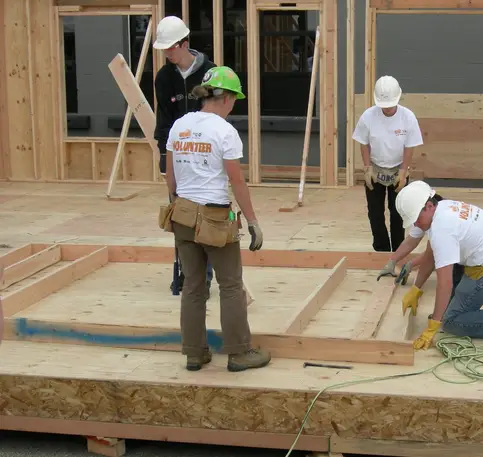
mobile home setup and installation 1st half on the spotInstallation or “Set up” as it is otherwise known in the industry is the complete process of putting your mobile home on vacant land or mobile home park lot.

In Florida only a licensed mobile home installer can install a mobile home.
This setup process includes but is by no means limited to:

Permits & Plans.
Necessary permissions from local government agencies.

Currently most states and counties require a licensed contractor to obtain a permit, surveys, submit site plans and pay the necessary county and impact fees.

Building a pad.
Bringing in fill dirt to build a foundation pad.

This is a requirement of Florida State statute 15c to ensure adequate storm drainage and to prevent standing water collecting under the home.

mobile home set up contractorsFrame Blocking.
Raising the home to the required level and placing the mobile home on concrete blocks.

Anchoring
Installing ground anchors and longitudinal systems.

Tiedown.
Connecting anchors to the home’s steel beams with hurricane straps.

Joining sections together.
Raising and pulling sections of the home together, and then securing with fasteners.

Raising Roofs.
Some homes have a normal 6/12 pitch roof which needs to be raised on site.

Septic Tanks.
Homes often require a tank and drain field for waste management.

Plumbing.
Connecting the home to a sewer or septic system.

Electric.
Installing a service pole or connecting to existing grid.

Air Conditioning.
Delivery and installation of HVAC  services and equipment/units.

Our company has been involved in set up for the last 16 years.

Call 863 808 2200

>>>>>More information on this page <<<<<<

Originally posted 2014-10-26 20:29:31.

The post Installing, Setting up your home| Set Up. appeared first on Level My Mobile Home.


source http://levelmymobilehome.com/installing-your-home/

Saturday, 11 June 2016

Mobile Home Demolition and Removal

This was posted by Rob

mobile home demolition and removalThe saying “all good things must come to an end” definitely applies to mobile homes especially homes made 20 or 30 years that suffer storm damage, or those old homes with particleboard floors in the kitchens and bathrooms.

Unless the home has received some love and attention over the years there comes a point where it no longer makes sense to carry out the necessary repairs.

When it comes time to call it a day there are basically two options, demolition on site or transportation to a landfill location close by. Both of these options do cost money.

Sometimes however a contractor will consider taking a house for free if it can be repaired or has recycling potential.


Mobile Home Removal Services on Site

Sometimes I visit the home site where the mobile home owner has been doing their best to fight back the ravages of time. Covering holes in the ceiling with plastic where needed.

The type of ceiling in the image below is just fine until it gets wet, it has a 1 inch thick insulated backing onto a cardboard facing. When wet it continues to soak up the water until the board can no longer hold the weight and it falls through to the floor making a big mess.

demolition water damage

There comes a point where there is more repair than good ceiling. Probably time for a good session of serious thinking about the future of your home.

ceiling damage for demo

Obviously if your ceiling is leaking then so is your roof.

roof damage to fascia and soffit


So what is it like under your mobile home?

Is the underbelly ripped open with the floor insulation hanging out or perhaps laying on the ground. This can cause mould to form and the floor to rot

under belly damage

Onsite demolition involves the complete removal of everything on the job sites with the exception of concrete pads and driveways which are in reasonable condition and can be utilized by the new homeowner.

The old home is crushed using an excavator with a special attachment claw. The “I” beams are usually cut into pieces using an oxy/acetylene cutting torch. The concrete blocks and anchors are also removed from the site along with utility pipes electrical wires, air conditioning units and duct work.

Most of the debris will be crushed by a front end loader, trencher or powerful bobcat and placed into dumpsters. The average doublewide home will fill three to four 30 yard dumpsters.

Some materials may be recycled for future use or sold for scrap but that will be up to the demolition contractor who will be doing all of the work and will usually not make a concession against the contract cost.

This process usually takes longer, is more labor intensive and still involves the cost of a machinery, dumpsters and landfill disposal fees.

Mobile Home Disposal and Removal to a Land Fill.

Mobile Home Demolition and RemovalThe most important consideration is that the old mobile home must be in good enough condition to allow transportation to the nearest landfill site. Once there it will be flipped on its side to allow the removal of the I beams, wheels and axles prior to crushing.

The setup crew will be needed to separate the sections and place them on wheels and axles. The old hitches will probably not be serviceable and new hitches will need to be purchased and welded to the frame prior to break down.

The home may need to be rolled/moved prior to hooking up the toter.

Escort cars and oversize load signs may be required for wider homes.

There are breakdown fees, axles and tires, transportation and disposal fees.

Mobile Home Demolition costs.

The method chosen will need to take into consideration time factors, the distance to the nearest landfill and financial position of the homeowner. Contracts need to specify the extent of the work and leave no doubt as to the responsibilities of the parties.

The cost of a mobile home demolition or disposal can and will vary widely.

To give you a rough idea of the demolition costs I will list the components of the job with an estimate of the cost in the State of Florida:

Item

Low Cost

High Cost
Heavy machinery inc. drop off and pickup 750

1250

One Driver 200 400
Dumpsters x 3     $10-15  per yard 900 1400
Three man break down/clean up crew 600 750
Sub Total 2450 3800
Contractor % 490

760

Total

2940 4560


Originally posted 2014-09-13 22:39:31.

The post Mobile Home Demolition and Removal appeared first on Level My Mobile Home.


source http://levelmymobilehome.com/mobile-home-demolition-and-removal/